All You Need to Know About the VR6 Engine: Facts and Insights
The VR6 engine stands for a remarkable improvement in automotive design. Its distinct style merges the characteristics of V6 and inline engines, providing benefits in power and effectiveness. Presented by Volkswagen, it has developed a track record in different popular versions. As the industry changes towards electrification, the VR6 encounters brand-new obstacles. What does the future hold for this legendary engine? Discovering its design and performance may reveal surprising understandings.
The Design Behind the VR6 Engine
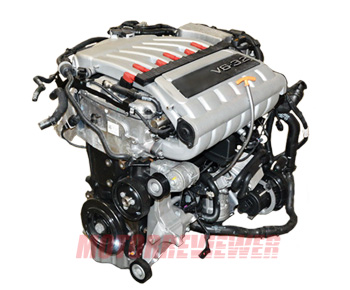
Although the VR6 engine might seem a complicated design, its design principles are rooted in a blend of effectiveness and efficiency. This unique setup incorporates the characteristics of an inline and a v6 engine, enabling for a portable layout that suits smaller engine bays. The VR6 includes a slim angle in between the cyndrical tube banks, usually around 15 degrees, which minimizes overall size while keeping a smooth power delivery. In addition, the engine utilizes a solitary cyndrical tube head, streamlining production and upkeep. This style boosts thermal performance and reduces weight, adding to improved handling and responsiveness. With its balance of power and compactness, the VR6 remains a noteworthy accomplishment in automotive engineering, attracting both performance enthusiasts and everyday drivers alike.
Historic Relevance of the VR6
What makes the VR6 engine historically substantial in the automobile globe? Presented in the early 1990s by Volkswagen, the VR6 redefined the compact engine style by integrating the attributes of an inline and a v6 engine. This innovative design enabled a shorter engine length, allowing its installation in smaller lorries without compromising power. The VR6 swiftly gained popularity for its unique noise and smooth efficiency, ending up being a hallmark of numerous Volkswagen and Audi models. Its capability to supply an equilibrium of power and efficiency made it a desirable option for makers and lovers alike. Additionally, the VR6's influence can be seen in the evolution of engine design, as it led the way for more compact and flexible powertrains in the auto industry.
Performance and Effectiveness Comparisons
When comparing efficiency and efficiency, the VR6 engine attracts attention due to its one-of-a-kind design, which allows it to provide remarkable power output while preserving extensive gas economy (vr6). The engine's small arrangement helps with a balance between power and weight, enhancing handling and responsiveness. Usually, VR6 engines generate a robust torque contour, adding to a lively driving experience. This characteristic is particularly advantageous in urban setups where velocity is essential. Additionally, improvements in fuel shot and tuning have actually enhanced thermal performance, resulting in lower discharges contrasted to other engine layouts. While turbocharged variations might offer greater performance, the VR6 takes care of to supply an enjoyable blend of power and performance, making it an enticing option for both fanatics and daily motorists alike
Popular Autos Featuring the VR6
The VR6 engine has gotten appeal in a selection of lorries, showcasing its convenience and efficiency capabilities. Primarily connected with Volkswagen and Audi, this engine setup has actually been featured in designs such as the Volkswagen Golf, Jetta, and Passat, where it provides an equilibrium of power and additional info performance. The Audi A3 and TT likewise make use of the VR6, giving a flashy driving experience. In addition, the Volkswagen Touareg and Porsche Cayenne have actually utilized this engine to enhance their performance in the SUV segment. Understood for its portable layout, the VR6 enables makers to enhance room while supplying outstanding horsepower and torque. This flexibility has made the VR6 a favored choice among vehicle fanatics and producers alike.
Future of the VR6 Engine in the Automotive Market
Frequently Asked Questions
What Is the Normal Life-span of a VR6 Engine?
The common life-span of a VR6 engine varies from 150,000 to 200,000 miles, presuming normal maintenance and treatment. Factors such as driving practices, ecological problems, and engine modifications can considerably influence longevity.
How Does the VR6 Engine Audio Compared to Other Engines?
The VR6 engine produces an unique roar, characterized by its distinct firing order and arrangement. Compared to inline or V8 engines, it offers a smoother sound profile, typically called a deep, throaty roll.
Are There Any Kind Of Common Issues With the VR6 Engine?

What Kind of Oil Is Finest for a VR6 Engine?
The ideal oil for a VR6 engine is normally a top notch synthetic oil with a viscosity score of 5W-30. This assures peak performance and security, specifically under varying temperature conditions and driving styles. Normal changes are essential.
Can the VR6 Engine Be Exchanged Into Various Other Cars and trucks?
Yes, the VR6 engine can be swapped right into various other cars and trucks, but compatibility depends on aspects like placing points, transmission alternatives, and content wiring. Lovers often carry out these swaps to boost efficiency in numerous vehicle models.
